If you’ve ever sought a profound state of peace, a place where the noise of the world fades away, you may have heard of float tanks. But what exactly are they? A float tank is a private, meticulously controlled environment designed for flotation therapy. Its purpose is to remove nearly all external stimuli—including light, sound, and the constant pull of gravity—to allow your mind and body to enter a state of deep, restorative relaxation. This practice, grounded in science, is a powerful tool for unlocking mental clarity, physical recovery, and an unparalleled sense of calm.
What is a Float Tank? The Science of Sensory Deprivation
At its core, a float tank, also known as an isolation tank or sensory deprivation tank, is a purpose-built vessel that creates an environment free from distraction. The goal is simple yet profound: to induce a deep meditative state by freeing the brain from the constant task of processing external sensory input. By doing so, you allow your body’s natural healing and relaxation responses to take over, offering benefits that can be felt long after a session ends.
How It Works: The Core Components of Floating
The magic of a float tank lies in the precise combination of three key elements, each working together to create a unique sensation of weightlessness and tranquility:
- High-saturation Epsom Salt Water: The water is saturated with hundreds of kilograms of medical-grade Epsom salt (magnesium sulfate). This creates an incredibly dense solution that allows you to float on the surface effortlessly, completely free from the force of gravity.
- Skin-temperature Water: The water is heated and maintained at the exact temperature of your skin (approximately 34.5°C or 94°F). This blurs the line between where your body ends and the water begins, removing the sensation of touch.
- A Soundproof and Light-proof Enclosure: The tank is engineered to be completely dark and silent, eliminating all sights and sounds from the outside world and allowing your mind to turn inward.
The Science: An Introduction to R.E.S.T.
The therapeutic practice of floating is officially known as Restricted Environmental Stimulation Therapy, or R.E.S.T. This isn’t just a wellness trend; it’s a technique backed by scientific research. When you float, your body undergoes measurable physiological changes. The therapy is known to reduce levels of cortisol, the body’s primary stress hormone, while encouraging the brain to produce theta waves—the same brainwaves seen during deep meditation or right before sleep. By minimizing external stress, R.E.S.T. allows the body to dedicate its resources to healing, recovery, and achieving mental equilibrium.
The Floating Experience: What to Expect Inside the Tank
For a first-time floater, the experience is unique and deeply personal. It begins with a simple process: showering, entering the tank, and gently lying back. The water will support you completely. From there, your journey can range from a feeling of serene relaxation to profound meditative insights. We understand that common concerns like claustrophobia or the fear of being in the dark can cause hesitation, but it’s important to remember that you are in full control of the entire experience.
Proven Benefits of Float Therapy
The benefits of R.E.S.T. are extensive and supported by decades of scientific study. Users consistently report significant improvements in both their mental and physical well-being. The positive effects include:
- Mental Benefits: A dramatic reduction in stress and anxiety, enhanced creativity and problem-solving skills, improved focus, and a greater sense of overall well-being.
- Physical Benefits: Accelerated muscle recovery for athletes, relief from chronic pain conditions like arthritis and fibromyalgia, improved circulation, and deeper, more restorative sleep.
These proven outcomes are why float therapy is embraced by everyone from high-performance athletes to individuals seeking relief from the pressures of daily life. Explore how a RelaxoPod can transform your wellness journey and bring these powerful benefits into your home or business.
Safety and Hygiene: Our Top Priority
A primary concern for new floaters is the cleanliness and safety of the tank. As manufacturers, we place this at the top of our priorities. High-quality float tanks are equipped with advanced, multi-stage filtration systems that run between every single session. These systems typically use a combination of UV sterilization, ozone purification, and micron filters to ensure the water is perfectly sanitized. Furthermore, the extremely high concentration of Epsom salt creates a sterile environment where microorganisms cannot survive, making the water cleaner than any public swimming pool or hot tub.
Types of Float Tanks: From Classic Pods to Modern Rooms
Not all float tanks are created equal, and the design can significantly impact the user’s comfort and experience. Whether for personal use or a commercial wellness center, choosing the right type of tank is crucial for achieving the desired therapeutic outcomes. The two main styles are float pods and float rooms.
Float Pods: The Immersive Cocoon
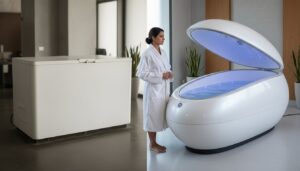
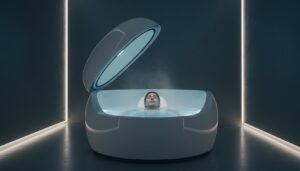
The float pod is what most people picture when they think of a float tank. It features a sleek, futuristic, and enclosed design that creates a cocoon-like environment. This style is ideal for fully immersing the user and blocking out all potential external distractions, making it the standard choice for most modern float centers aiming to provide the purest R.E.S.T. experience.
Float Rooms: An Open, Accessible Alternative
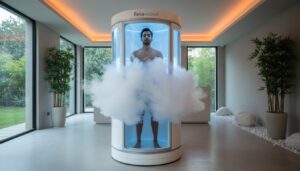
For those concerned about enclosed spaces, the float room offers a more open and spacious alternative. With a high ceiling and a larger footprint, it provides the same therapeutic benefits of floating without the enclosed feeling of a pod. This design is excellent for accommodating users of all shapes, sizes, and comfort levels, ensuring that everyone can experience the benefits of float therapy.
Key Features of a High-Quality Float Tank
When investing in a float tank, certain features distinguish a premium product from a basic one. A high-quality tank should always include advanced water filtration and purification systems, be constructed from durable and easy-to-clean materials, and offer user-friendly controls. Optional features like integrated audio systems for music or guided meditations can further enhance the experience. Starting a wellness business requires equipment that is reliable, safe, and effective. Consult with our experts to learn more about our industry-leading technology and support.
Frequently Asked Questions
What is the difference between a float tank and a sensory deprivation tank?
There is no difference. The terms “float tank,” “sensory deprivation tank,” and “isolation tank” all refer to the same piece of equipment used for Restricted Environmental Stimulation Therapy (R.E.S.T.).
How much Epsom salt is used in a float tank?
A typical commercial float tank contains 400-600 kilograms (about 880-1320 pounds) of Epsom salt dissolved in about 1,000 liters of water. This creates the dense solution necessary for effortless floating.
Can you fall asleep in a float tank? Is it safe?
Yes, many people enter a state of deep relaxation and may fall asleep. It is perfectly safe. The water is only about 25-30 cm deep, and the high salt concentration makes it impossible to roll over and submerge your face.
How often should you use a float tank to see benefits?
While a single session can provide immediate relief, consistent use yields the best long-term results. Many people find that floating once a week or once every two weeks is ideal for managing stress, pain, and improving overall well-being.
What should I do to prepare for my first float?
Avoid caffeine for a few hours beforehand and try not to shave or wax immediately before your session, as the salt water can irritate freshly treated skin. It’s best to eat a light meal about 90 minutes prior so you are not hungry or overly full.
Is floating better than meditation?
Floating is not necessarily better, but it can be a powerful catalyst for meditation. The tank’s environment makes it much easier to reach deep meditative states, especially for beginners who find it difficult to quiet their minds in a normal setting.
Ready to experience the deepest rest possible? Discover the RelaxoPod.