You’ve likely heard the terms: sensory deprivation, float tank, isolation pod. But what does it really mean to float in a space devoid of external stimuli? Far from a fringe experiment, modern sensory deprivation is a powerful, science-backed wellness practice designed to reset your mind and body. This guide will help you understand the science, benefits, and process of sensory deprivation, so you can discover what a modern float experience is truly like.
What Is Sensory Deprivation? From Lab Experiment to Ultimate Relaxation
At its core, sensory deprivation is the deliberate reduction or removal of stimuli from one or more of the senses. Today, this practice is professionally known as Restricted Environmental Simulation Therapy, or R.E.S.T. It provides a rare opportunity to disconnect from the constant noise and demands of the modern world. The concept originated with neuroscientist Dr. John C. Lilly’s research in the 1950s, which explored the effects of sensory isolation on consciousness. While its origins are in the laboratory, the goal today is far more practical: to unlock deep relaxation, accelerate physical recovery, and achieve profound mental clarity.
How Does a Float Tank Work? The Three Pillars of Floating
The magic of a float tank lies in its ability to create an environment that systematically removes external sensations. This is achieved through three key principles working in harmony.
- 1. Zero Gravity: Each tank contains a shallow pool of water saturated with hundreds of kilograms of Epsom salt. This dense solution makes the water incredibly buoyant, allowing you to float effortlessly on the surface, free from the pull of gravity. This weightlessness relieves pressure on your muscles and joints in a way that is impossible to achieve otherwise.
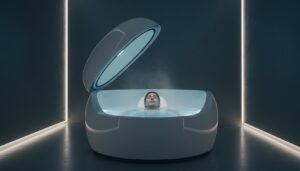
- 2. Zero Sight & Sound: The float tank, or pod, is engineered to be completely lightproof and soundproof. Once inside with the door closed, you are enveloped in a perfect, peaceful darkness and silence, eliminating all auditory and visual distractions.
- 3. Zero Touch: The water is precisely heated to match the temperature of your skin. This unique element blurs the lines between where your body ends and the water begins, removing the sensation of touch and allowing your brain to fully disengage from its physical form.
What Happens to Your Brain and Body in the Tank?
When external stimuli are removed, your body and brain undergo a remarkable shift. The nervous system transitions from the “fight or flight” sympathetic state, which is often chronically activated by daily stress, to the “rest and digest” parasympathetic state. Brainwaves slow down from the active beta state to the deeply relaxed and meditative theta state, similar to the moments just before you fall asleep. Physiologically, this process helps reduce levels of cortisol, the primary stress hormone, while boosting the production of endorphins and dopamine, the neurotransmitters responsible for happiness and well-being.
The Proven Benefits of Float Therapy (R.E.S.T.)
Floating is far more than just a relaxing hour away from your phone; it is a versatile therapeutic tool with benefits that are validated by a growing body of scientific research. From mental health to physical recovery, R.E.S.T. offers a wide range of positive outcomes.
Mental and Cognitive Benefits
The most immediate effect of floating is profound stress reduction and anxiety relief. By giving the brain a break from processing sensory information, you create space for enhanced creativity and sharper problem-solving skills. Many users report improved focus and concentration long after their session ends. The practice has also shown promise in helping individuals manage symptoms associated with PTSD, depression, and burnout by providing a safe and controlled environment for deep introspection and calm.
Physical Recovery and Pain Management
For the body, the zero-gravity environment is a powerful healer. It can significantly alleviate chronic pain resulting from conditions like arthritis, fibromyalgia, and old injuries by decompressing the spine and relieving pressure on joints. Athletes use float therapy to accelerate muscle recovery, reduce inflammation, and lower blood pressure. Furthermore, the deep relaxation achieved in the tank primes the body for better, more restful sleep patterns, which is foundational to overall health.
Your First Float: A Step-by-Step Guide to What to Expect
Feeling a little nervous before your first float is completely normal, but knowing what to expect can help you relax and embrace the experience. Every aspect of a professional float center is designed with your comfort, safety, and tranquility in mind.
Before Your Session
To get the most out of your float, it’s best to avoid caffeine or a heavy meal for a few hours beforehand. It’s also recommended not to shave or wax right before your session, as the high concentration of salt in the water can irritate freshly sensitive skin. Most importantly, arrive with an open mind and try to let go of any specific expectations.
During Your Float
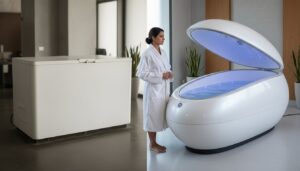
You will be shown to a private room equipped with the float tank and a shower. The first step is to shower to remove any oils or products from your body. You enter the tank nude to avoid the distraction of a swimsuit against your skin. Remember, you are in complete control at all times; you can leave the interior light on and open or close the pod’s lid as you see fit. The key is to find a comfortable position, let your body relax, and allow your mind to drift.
After Your Session
When your session time is up, gentle music will usually play to signal it’s time to exit the tank. You will take another shower to rinse the salt from your skin and hair. Most float centers have a post-float lounge where you can sit, enjoy a cup of tea, and slowly reintegrate. Take a few moments to notice the feeling of deep calm, mental clarity, and physical ease.
Many find this an ideal time for introspection, and resources like mindsnotebook can help you capture and integrate these profound insights into your daily life.
The Technology Inside a Modern Sensory Deprivation Tank
Contemporary float pods are sophisticated pieces of wellness technology, meticulously engineered to deliver a perfect R.E.S.T. experience. The design focuses on three pillars: absolute user safety, uncompromising hygiene, and a seamless, effective therapeutic environment.
Creating the Perfect Environment
To achieve total isolation, modern tanks feature advanced soundproofing and lightproofing. The water is kept pristine through multi-stage filtration systems that often combine micron filters, UV sterilization, and an oxidizer, running several complete cycles between each float session. A precise temperature control system maintains the water at exact skin temperature, while hundreds of kilograms of medical-grade Epsom salts provide the effortless buoyancy that defines the experience.
Why Quality Manufacturing Matters for Your Float
The quality of the float tank directly impacts the quality of the therapeutic session. Expert design ensures the pod is comfortable, intuitive, and free from distractions. The use of durable, high-quality materials is crucial for both user safety and the long-term reliability of the equipment. A well-manufactured tank with reliable systems delivers a consistent and profound experience every single time. A superior float is the direct result of superior engineering. Explore RelaxoPod tanks.
Frequently Asked Questions
Is sensory deprivation the same as an isolation tank?
Yes, these terms refer to the same thing. “Isolation tank” was the original term used in the 1950s, while “sensory deprivation tank” and “float tank” are more common today. The therapeutic practice itself is formally known as R.E.S.T.
Is it possible to drown in a float tank?
It is extremely unlikely. The water is very shallow (about 25-30 cm deep), and the high concentration of Epsom salt makes you incredibly buoyant. You float effortlessly on your back, and it would take conscious effort to turn over.
How is the water in a sensory deprivation tank kept clean?
The water is highly sterile due to the massive amount of dissolved Epsom salt, which is a natural disinfectant. Additionally, the water is completely filtered multiple times between each float session using advanced systems like UV sterilization and micron filters.
Will I have hallucinations in a float tank?
While early experiments under different conditions sometimes induced hallucinations, it is very rare in modern commercial float therapy. Most people experience deep relaxation, creative thoughts, or a dream-like state, but not true hallucinations.
Is it claustrophobic inside a float pod?
While it may seem so, most people do not find it claustrophobic. You are in a private space and in complete control of the lid and the interior light. Many pods are quite spacious, and you can exit at any time.
How long is a typical float therapy session?
A standard session usually lasts for 60 to 90 minutes. This gives your mind and body enough time to fully relax and experience the benefits.
What should I wear during my float session?
It is recommended to float nude. Clothing can become a distraction and interfere with the sensory-free experience. You will be in a completely private and secure room.
Sensory deprivation offers a unique and powerful path to wellness, providing a sanctuary from the overstimulation of daily life. By understanding the science and embracing the process, you can unlock a state of profound rest and rejuvenation for both mind and body. Are you ready to experience the deepest level of rest possible? Discover the future of wellness with RelaxoPod.