Embarking on your first float therapy journey is an exciting step toward profound relaxation and self-discovery. But with a growing number of float spas, how do you choose the right one? This guide will teach you exactly how to find a high-quality, clean, and transformative float therapy center in your area, providing you with our expert tips to ensure your experience is nothing short of exceptional.
What Defines a High-Quality Float Center? 4 Key Factors
Not all float spas are created equal, and the quality of the facility is paramount to achieving the deep restorative state that sensory deprivation offers. The best centers focus on the entire holistic experience, not just the tank itself. From the moment you walk in, the environment should promote a sense of calm and security. Here’s what separates the best from the rest.
1. The Float Tank Technology: Pods, Rooms, and Cabins
Before you book, it’s helpful to understand the different types of tanks available, as this can significantly impact your comfort and experience. The most common options include:
-
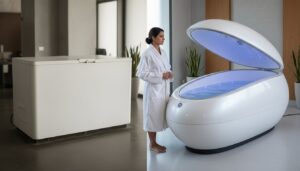
Float Pods: These are the sleek, enclosed, futuristic-looking tanks you’ve likely seen online. They are designed for a fully immersive, distraction-free float, completely blocking out light and sound.
-
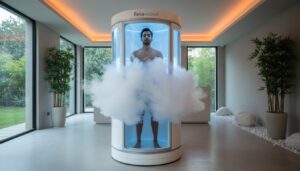
Float Rooms or Cabins: For those concerned about claustrophobia, float rooms offer a more spacious alternative. You can stand up and walk around in these small, private rooms, which feature a high ceiling over the pool of water, providing a less enclosed feeling while still offering sensory control.
A premium center will allow you to control the interior light and sound, giving you full command over your environment.
2. Uncompromising Hygiene: The Filtration System
This is the most critical factor for your health and peace of mind. The water in a float tank is a solution of hundreds of kilograms of Epsom salt, which is naturally antimicrobial, but that’s not enough. A top-tier float center will invest in a robust, multi-stage filtration process that runs between every single session. Ask the facility about their specific system; you should hear them mention powerful pumps, micron filters, UV sterilization, and often ozone purification to ensure the water is pristine.
3. The Pre- and Post-Float Environment
The transformative effects of a float session are amplified by the environment surrounding it. The experience extends beyond the tank itself. A high-quality center provides a seamless journey from start to finish. Look for facilities that offer private rooms complete with their own showers, so you can rinse off before and after your float in total comfort. A dedicated post-float relaxation lounge, where you can sit with a cup of herbal tea and gently reintegrate, is the hallmark of a premium spa that understands the importance of the entire process.
4. Staff Expertise and Guidance
Knowledgeable, calm, and attentive staff can make or break your first float. The team should be able to provide a thorough orientation for beginners, explaining how everything works and what to expect, putting any anxieties at ease. They should be available to answer all of your questions and help you set an intention for your float if you wish. This level of professional guidance ensures you feel safe, supported, and ready to let go completely.
How to Find a Sensory Deprivation Tank Near You: Step-by-Step
Now that you know the key indicators of a quality float center, it’s time to locate one in your area. Use these simple steps to find your ideal float spa and book your first session with confidence.
Step 1: Use Online Search and Directories
Your search can begin with a simple query on Google or Google Maps. Use specific terms like "float therapy near me," "sensory deprivation tank," or "float spa" followed by your city. Beyond a basic search, you can also check specialized online directories that list float centers globally, which can sometimes provide more detailed information and user reviews.
Step 2: Scrutinize Reviews and Testimonials
Once you have a shortlist of centers, dive deep into their reviews on Google, Yelp, and social media platforms. Look past the star ratings and read the comments. Pay close attention to recurring mentions of cleanliness, water quality, and the professionalism of the staff. Reviews from other first-time floaters can be particularly insightful, as they often detail the orientation process and overall comfort level.
Step 3: Evaluate Their Website and Online Presence
A professional and informative website is a strong indicator of a well-run business. Is their pricing clear and transparent? Do they offer a simple online booking system? A great float center is proud of its facility and technology and will be open about its practices. Check their FAQ page for transparency on their hygiene protocols. A professional center will be transparent about the science behind their service. Explore the technology behind R.E.S.T. to understand what sets premium equipment apart.
Preparing for Your First Float: Tips for a Profound Experience
A little preparation can go a long way in helping you achieve a much deeper state of relaxation during your float. To get the most out of your session, follow these simple tips before you head to the center.
This preparation also includes how you arrive. To maximize the benefits, your journey to the float center should be as calm and stress-free as the session itself. Using a premium chauffeur service can extend the tranquil experience from door-to-door. For instance, Calgary-based Royal Sky Limo specializes in this kind of luxurious, seamless travel, setting a great example for how to begin your wellness experience in the right state of mind.
What to Do Before You Arrive
-
Avoid caffeine and other stimulants for at least 4-6 hours beforehand to help your mind settle more easily.
-
Have a light, easily digestible meal about 60-90 minutes before your float so hunger isn’t a distraction.
-
Do not shave or wax on the day of your float, as the high concentration of Epsom salt can sting irritated skin.
-
Arrive with an open mind. Try to release any expectations and simply be open to the experience as it unfolds.
What to Expect During Your Session
-
You are in complete control. You can choose to leave the pod lid open or closed, and the interior light on or off.
-
Your body will float effortlessly and weightlessly in the dense Epsom salt solution, relieving all pressure from your muscles and joints.
-
It is completely normal for your mind to be busy for the first 10-20 minutes. Don’t fight it; just observe your thoughts.
-
To help ease into a meditative state, focus on the rhythm of your breath. This will anchor your awareness and help you relax.
Frequently Asked Questions About Sensory Deprivation
How much does a sensory deprivation tank session cost?
The cost typically ranges from Rs2500 to Rs3000 for a 60-minute session. Many centers offer introductory packages for new clients or memberships for regular floaters, which can significantly reduce the per-session price.
Is the water in a float tank clean?
Yes, at a reputable center, the water is exceptionally clean. It contains a high concentration of Epsom salt, which is a natural disinfectant, and undergoes a rigorous multi-stage filtration and sterilization process using tools like UV light and ozone between every float.
What if I’m claustrophobic? Can I still float?
Absolutely. Many people with claustrophobia float comfortably. You can choose to float in a larger float room or cabin instead of a pod. You are always in full control and can leave the lid open and the light on.
Can I drown if I fall asleep in the float tank?
No, it is not possible to drown. The water is so dense with Epsom salt that you float on the surface like a cork. Even if you fall into a deep sleep, your head will naturally stay above the water.
How long is a typical float session?
The standard session length is 60 minutes, although some centers offer 90-minute or even 2-hour floats. For your first time, 60 minutes is usually the perfect amount of time to relax and experience the benefits.
What are the proven benefits of float therapy?
Scientific research on Restricted Environmental Simulation Therapy (R.E.S.T.) has shown numerous benefits, including significant reductions in stress and anxiety, relief from chronic pain, improved sleep quality, enhanced creativity, and deeper meditative states.
Choosing the right float center is the first step toward a profound wellness journey. If you are inspired by the potential of this therapy and wish to bring this healing modality to your community, it starts with the right equipment. As Asia’s No.1 float tank manufacturers, we offer comprehensive consultation for new float centers and industry-leading, advanced multi-stage filtration technology. Inspired to bring this healing modality to your community? Discover the RelaxoPod.