In a world saturated with constant notifications, deadlines, and sensory overload, finding true silence can feel impossible. For those living with anxiety, this external noise only amplifies the internal turmoil, creating a relentless cycle of stress. But what if you could simply float it all away? Discover how Restricted Environmental Simulation Therapy (R.E.S.T.), commonly known as float therapy, scientifically reduces anxiety by calming your nervous system and resetting your brain, offering a sanctuary of profound peace and quiet.
Understanding Anxiety’s Grip on the Mind and Body
Anxiety is more than just a feeling of worry; it’s a physiological response that activates the body’s ‘fight or flight’ mechanism. This primal instinct floods your system with stress hormones like cortisol and adrenaline, preparing you to face a perceived threat. While useful in short bursts, chronic anxiety keeps this system on high alert, leading to physical symptoms like muscle tension, elevated heart rate, and mental exhaustion. Over time, this constant state of arousal can be debilitating. Float therapy offers a unique environment designed to intentionally break this cycle, providing a space where your nervous system can finally stand down.
What is Float Therapy (R.E.S.T.)?
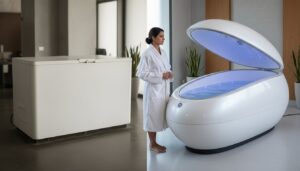
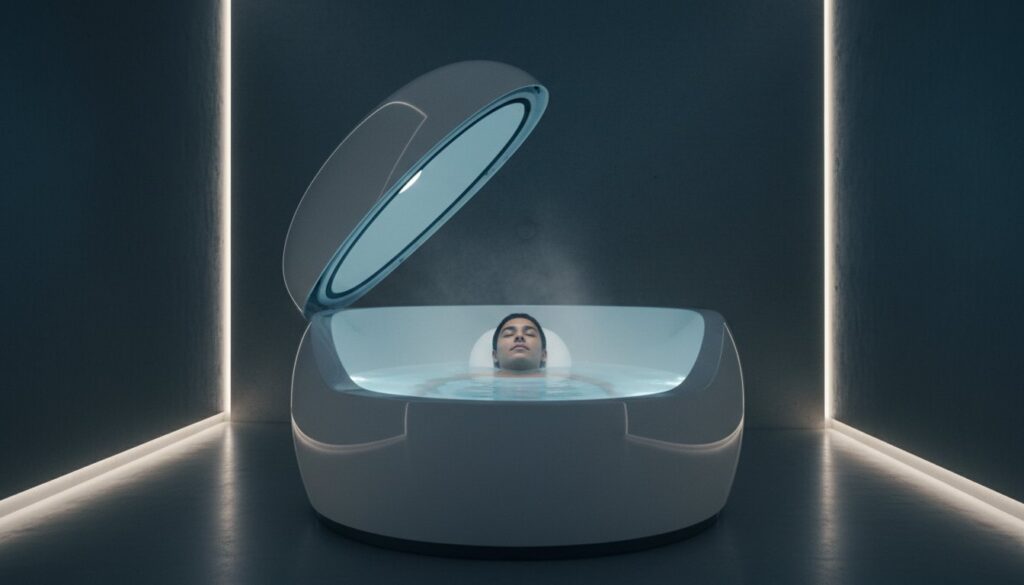
Float therapy, or Restricted Environmental Simulation Therapy, is a powerful wellness practice that involves floating effortlessly in a private, specialized pod. Inside, you are supported by skin-temperature water that is saturated with hundreds of kilos of Epsom salt, creating a zero-gravity environment where the feeling of your body dissolves. The pod is engineered to minimize external stimuli, drastically reducing light, sound, and other sensory input, allowing your mind and body to enter a state of deep, restorative relaxation unlike any other.
The Science: How Floating Calms an Anxious Brain
The profound tranquility experienced during a float session is not just a subjective feeling; it’s the result of measurable physiological changes within the body and brain. A growing body of research shows that float therapy can lead to significant reductions in anxiety, both immediately after a session and with lasting effects. By systematically removing external stressors, floating helps reset your nervous system from a state of hyper-vigilance to one of calm equilibrium.
Decreasing Cortisol: Turning Down the Stress Hormone
One of the most direct ways float therapy combats anxiety is by lowering levels of cortisol, the body’s primary stress hormone. The unique environment of sensory deprivation signals to your brain that there are no threats to monitor, effectively turning off the alarm bells of the fight-or-flight response. As cortisol production decreases, your body’s stress response system begins to calm down, promoting deeper relaxation, improved sleep, and a greater sense of overall well-being.
Calming the Amygdala: The Brain’s Fear Center
Anxiety is closely linked to a hyperactive amygdala, the part of the brain that acts as a fear and threat detector. When you’re anxious, your amygdala is working overtime. Research suggests that the deep relaxation induced by floating can help reduce activity in this part of the brain. By quieting the amygdala, the therapy fosters a profound sense of peace and safety, allowing you to break free from the cycle of fear and worry that fuels anxiety.
Promoting Theta Brainwaves: Accessing a Meditative State
As you relax in the float pod, your brain activity begins to shift. Many people experience a transition into the theta brainwave state—the elusive state often achieved by experienced meditators, which lies on the cusp between waking and sleeping. This state is associated with enhanced creativity, deep learning, and profound calm. By making this meditative state more accessible, float therapy provides a mental reset that can quiet anxious thoughts and foster lasting mental clarity.
Enhancing Interoceptive Awareness: Reconnecting with Yourself
Often, anxiety can make you feel disconnected from your own body, or conversely, hyper-aware of uncomfortable sensations like a racing heart. Floating helps you cultivate a healthier relationship with your body through enhanced interoceptive awareness—the perception of your internal sensations. In the quiet of the pod, you can mindfully observe your heartbeat and breath without judgment. This practice helps you become more attuned to your body’s signals, allowing you to better manage the physical symptoms of anxiety when they arise in daily life.
Your First Float: A Step-by-Step Guide for Easing Anxiety
If you’re considering float therapy for anxiety, knowing what to expect can ease any pre-session nerves and help you get the most out of the experience. The entire process is designed for your ultimate comfort, safety, and relaxation. Most importantly, you are in complete control of your float experience from start to finish.
Before You Float: Preparing for a Calm Session
A little preparation can make a big difference. To ensure the most relaxing session possible, follow these simple tips:
- Avoid caffeine or other stimulants for a few hours beforehand to allow your nervous system to wind down more easily.
- Have a light meal about an hour before your session. You don’t want to be distracted by hunger or feel uncomfortably full.
- It’s best not to shave or wax on the day of your float, as the high concentration of Epsom salt can cause irritation on freshly broken skin.
Inside the Pod: Addressing Common Fears
It’s natural to have questions or concerns before your first float. The pods are designed to address these and ensure you feel completely secure:
- Worried about claustrophobia? You are in full control of the pod lid and can choose to leave it partially or fully open. Many pods are surprisingly spacious inside.
- Afraid of the dark? You can leave a soft, ambient light on inside the pod for the duration of your session.
- Can you sink? It is physically impossible to sink. The water is so dense with Epsom salt that your body is completely buoyant, allowing you to float effortlessly without any muscle engagement.
After Your Float: Integrating the Experience
The benefits of your float don’t end when the session is over. You may feel deeply relaxed and serene for hours or even days afterward. To help integrate the experience, drink plenty of water to rehydrate your body. If possible, take some time to sit in a quiet space to reflect and carry the tranquility of your float with you. Many people find this post-float glow to be one of the most powerful aspects of the therapy. Ready to explore the benefits of floating? Discover RelaxoPod.
Is Float Therapy a Proven Treatment for Anxiety Disorders?
While float therapy is a powerful tool for wellness, it’s important to view it as an effective complementary therapy rather than a replacement for professional medical care. Clinical studies have shown promising results for its use in managing symptoms of various anxiety-related conditions. If you are being treated for an anxiety disorder, always consult with your doctor before starting any new treatments.
Generalized Anxiety Disorder (GAD) and Stress
For those with GAD, float therapy can be especially beneficial. Studies have demonstrated significant reductions in state anxiety, stress, and muscle tension following float sessions. By providing a reliable way to de-stimulate the nervous system, regular floating can become a cornerstone practice for managing the chronic stress and worry associated with GAD.
Post-Traumatic Stress Disorder (PTSD)
The safe, controlled, and private environment of a float pod can be a therapeutic space for individuals with PTSD. Research suggests that by lowering the hyper-arousal and anxiety that are hallmarks of PTSD, floating can help the nervous system feel safe. This state of deep relaxation may make it easier to process trauma and reduce the intensity of PTSD symptoms over time.
Panic Disorder and Anxiety Sensitivity
Anxiety sensitivity—the fear of anxiety-related body sensations—is a core component of panic disorder. Because float therapy enhances interoceptive awareness in a calm setting, it can help individuals build resilience against panic triggers. By learning to observe sensations like a changing heartbeat without fear, floaters can reduce their sensitivity and feel more in control when anxiety-provoking feelings arise.
Frequently Asked Questions
How many float sessions does it take to help with anxiety?
While many people feel significant relief after just one session, the benefits are cumulative. Regular sessions (e.g., weekly or bi-weekly) are often recommended to achieve and maintain lasting reductions in anxiety symptoms.
Is it possible to fall asleep and drown in a float tank?
It is extremely safe to fall asleep. The water is so buoyant that your head will naturally stay above the surface. Many people enter a deep state of relaxation and doze off, which is a positive sign that the therapy is working.
What if I’m claustrophobic? Can I still use a float pod?
Absolutely. You are in complete control of the experience. You can leave the pod lid open and keep an interior light on. Most people find that once they are floating and relaxed, any feelings of claustrophobia quickly disappear.
Can float therapy replace my anxiety medication?
Float therapy should be considered a complementary practice. You should never stop or change your medication without consulting with your prescribing doctor. It can, however, be a powerful, non-pharmacological tool to add to your mental health toolkit.
What does the science say about float therapy for anxiety?
A growing body of scientific research supports the use of float therapy for anxiety. Studies have shown it can significantly lower cortisol levels, reduce self-reported anxiety and stress, and promote physiological states of relaxation.
How long do the anti-anxiety effects of a float session last?
This varies from person to person, but the immediate feeling of calm can last for hours to several days. With regular practice, many find that their baseline level of anxiety decreases, leading to a more sustained sense of well-being.
If you’re ready to move beyond managing your anxiety and truly begin to heal it, the science-backed practice of R.E.S.T. offers a path forward. By providing a sanctuary from the sensory overload of modern life, float therapy allows your mind and body to access their innate capacity for healing and calm. As Asia’s No.1 float tank manufacturers, RelaxoPod is committed to providing this transformative experience through equipment built to the highest international quality and safety standards. Discover the science of R.E.S.T. with RelaxoPod.