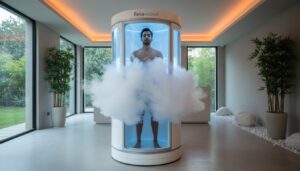
Understanding the full cost of a float tank is the first step toward making a transformative investment in wellness, whether for your home or business. This guide breaks down every factor influencing the price of buying a float tank, from the initial investment to long-term operational costs, empowering you to make an informed decision.
Float Tank Cost: Buying a Pod vs. Booking a Session
First, let’s clarify the two common meanings of “float tank cost.” The price of a single float therapy session is very different from the cost of purchasing your own sensory deprivation tank. While booking a session is a great way to experience the benefits, this guide focuses on the comprehensive costs associated with the long-term investment of buying a float tank.
How Much Does a Single Float Session Cost?
A single 60 to 90-minute float therapy session typically costs between $50 and $100 USD globally. In India, you can expect prices to range from ₹3,000 to ₹6,000. These prices can vary significantly based on the wellness center’s location, the duration of the float, and the luxuriousness of the amenities provided.
How Much Does It Cost to Buy a Float Tank?
The purchase price for a float tank or sensory deprivation pod varies widely depending on its intended use, features, and build quality. Here’s a general breakdown:
- Personal Use Float Pods: These are designed for home use and generally range from $10,000 to $30,000. They are often more compact and may have simpler filtration systems than their commercial counterparts.
- Commercial-Grade Float Pods: Built for the demands of a wellness center, spa, or hotel, these tanks range from $20,000 to $60,000 or more. The higher price reflects superior durability, advanced filtration, safety certifications, and robust warranty support.
Key Factors That Determine Float Tank Price
The final price tag on a float tank is influenced by several critical factors. Understanding these elements will help you effectively compare different models and appreciate the value behind the investment.
Personal Use vs. Commercial-Grade Tanks
The most significant price differentiator is the tank’s intended application. Commercial tanks are engineered for high-frequency use and must adhere to stringent health and safety standards. They feature more powerful, NSF-certified filtration systems, are built from more durable materials, and often come in larger sizes, like spacious float rooms. Furthermore, the warranty and post-purchase support for commercial units are far more comprehensive to ensure business continuity.
Technology, Features, and Customization
Modern float tanks are sophisticated pieces of technology. The price increases with the inclusion of advanced features such as multi-stage filtration systems (combining UV sterilization, ozone purification, and micron filters), integrated underwater sound systems, therapeutic LED lighting, and intercoms. Customization options, including unique colors, company branding, and premium materials, will also affect the final cost. High-quality insulation and energy-efficient heating systems are key features that, while adding to the initial cost, reduce long-term operational expenses.
Manufacturer Reputation and Quality
Established and reputable manufacturers like RelaxoPod invest heavily in research, development, and safety certifications to deliver a reliable and effective product. This commitment to quality is reflected in the price. While cheaper, uncertified float tanks may seem appealing, they pose significant risks regarding safety, hygiene, durability, and user experience. A premium price often signifies peace of mind and a superior, lasting investment.
The Total Cost of Ownership: Beyond the Sticker Price
Your total investment extends far beyond the initial purchase price of the tank. Budgeting for both one-time setup fees and recurring operational costs is crucial for personal satisfaction and business success. Let’s break down the expenses you need to consider.
One-Time Setup and Installation Costs
- Shipping and Freight: The cost to transport a large, heavy item from the manufacturer to your location.
- Room Preparation: This can be a significant expense, involving waterproofing, soundproofing, proper ventilation, and dedicated electrical work.
- Professional Installation: Fees for certified technicians to set up the tank, connect plumbing, and ensure everything operates correctly.
- Initial Epsom Salt Supply: A standard float tank requires approximately 500 kg (about 1,100 lbs) of high-purity Epsom salt to start.
Recurring Operational Costs
- Electricity: Monthly costs to run the heater, pump, and filtration system. Modern, well-insulated tanks are more energy-efficient.
- Water Treatment Supplies: Regular expenses for UV bulbs, filters, and sanitizing agents like hydrogen peroxide.
- Salt Top-Up: You will need to add more salt periodically throughout the year to maintain the solution’s specific gravity.
- Maintenance and Insurance: Budgeting for general maintenance, potential repairs, and appropriate business or property insurance.
Investing in Wellness: Is a Float Tank a Good Investment?
Viewing a float tank purchase as an investment is key. For a business, it is a direct revenue-generating asset that can be highly profitable. For an individual, it is a profound, long-term investment in personal health, mental clarity, and physical recovery.
Calculating ROI for a Float Center
For a business, the return on investment (ROI) is paramount. You can estimate potential revenue by multiplying your price per session by your anticipated daily occupancy rate. After subtracting your recurring operational costs, you can determine your profit margin and how quickly you will recoup the initial investment. A high-quality, reliable tank from a trusted manufacturer like RelaxoPod significantly improves ROI by minimizing downtime and attracting clients who value a premium experience.
Why RelaxoPod is a Smart Investment
A RelaxoPod float tank is more than just equipment; it’s a partnership in wellness. Engineered in India for commercial-grade durability and low maintenance, our pods are designed to deliver a flawless experience for years. We provide comprehensive support, guiding you from initial site consultation through installation and long-term service. Our pods are equipped with premium features that attract and retain high-value clients, ensuring your business thrives. If you’re serious about offering the profound benefits of R.E.S.T. therapy, it’s essential to invest in a system built for success. Request a personalized quote for your wellness project.
FAQs
What is a realistic budget for a complete home float tank setup?
Including the tank, shipping, room preparation, and initial salt supply, a realistic budget for a quality home setup often starts around $15,000 – $40,000, depending on the model and the extent of renovations required.
How much does the Epsom salt for a float tank cost per year?
After the initial large purchase, the annual cost for topping up the salt is relatively low. Depending on usage and splash-out, you can expect to spend a few hundred dollars per year to maintain the proper salinity.
Can I install a float tank myself to save money?
It is strongly discouraged. Professional installation is critical for safety, proper function, and protecting your warranty. Incorrect setup of electrical and plumbing systems can lead to dangerous situations and costly damage.
Are there financing options available for buying a commercial float tank?
Yes, many manufacturers and third-party lenders offer financing and leasing options for businesses investing in wellness equipment. This can help manage the initial capital outlay required to start or expand a float center.
How much electricity does a modern float tank use?
A well-insulated, modern float tank is quite energy-efficient. The primary energy draw is the heater maintaining the water temperature. On average, it consumes a similar amount of electricity to a large refrigerator once it reaches its target temperature.
What’s the difference between a float pod and a float room?
A float pod is an enclosed, shell-like tank, often appealing to those who prefer a cozier, more isolated environment. A float room is a larger, cabin-style space with higher ceilings that you can walk into, which can feel less restrictive for taller individuals or those with claustrophobia.
Investing in a float tank is a significant decision, but one that offers unparalleled rewards in relaxation and recovery. By understanding the full spectrum of costs and choosing a high-quality, reliable manufacturer, you are setting yourself up for years of profound well-being or business success. Ready to invest in the future of wellness? Contact us for a detailed quote.