Embarking on the journey to open a float therapy center is an exciting venture into the heart of the wellness industry. But turning that vision into a reality requires more than just passion—it requires a solid plan. A comprehensive, well-researched float center business plan is your essential roadmap, guiding you through every step from securing funding to opening your doors. This guide provides a step-by-step template for writing a compelling float center business plan to secure funding and launch successfully.
Writing Your Float Center Business Plan: Key Sections
A solid business plan is your roadmap to funding and success in the competitive wellness market. It demonstrates to investors and lenders that you have a deep understanding of the industry and a clear strategy for profitability. We’ll break down each essential component for you, allowing you to use this structure as your template for a professional and persuasive document.
1. Executive Summary: Your Business at a Glance
This is the first impression of your business, so make it count. Though you’ll write it last, it appears first in your document. Start with your powerful mission: providing profound wellness and healing through Restricted Environmental Simulation Therapy (R.E.S.T.). Briefly describe your core services, identify your target market, and specify your chosen location. Conclude by summarizing your key financial goals and clearly stating your funding requirements.
2. Company Description & Vision
Here, you will detail the formal aspects of your new venture. Describe your legal structure, such as an LLC or Sole Proprietorship. Crucially, explain your unique value proposition. Will you be a high-end luxury spa, a therapeutic wellness clinic, or an accessible community hub? This distinction is vital. Finally, outline your long-term vision for becoming a recognized local leader in mental and physical well-being.
3. Market Analysis: Understanding Your Customers
A successful business is built on a deep understanding of its market. Identify your target audience with precision—are you catering to high-performance athletes, stressed corporate professionals, or individuals seeking chronic pain relief? Analyze your local competitors, which include not only other float centers but also spas, yoga studios, and chiropractic clinics. Highlight the growing industry trends in wellness, mindfulness, and mental health to show the demand for your services.
4. Operations & Management Plan
This section details the day-to-day reality of running your center. Describe the daily operational flow, from client check-in to post-float sanitation procedures. Introduce your proposed management team, highlighting their relevant experience in business, wellness, or hospitality. You should also detail your staffing needs, outlining the roles and responsibilities for front desk staff, cleaning personnel, and management.
5. Services, Products, and Equipment
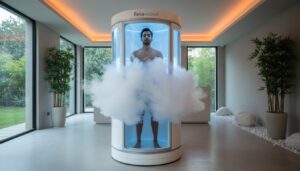
Clearly list your core offerings, such as 60-minute and 90-minute float sessions, and outline your membership packages. Consider including complementary services that enhance the client experience and create additional revenue streams, like an infrared sauna or massage therapy. This is also where you specify your most critical asset: your equipment. Naming your chosen float tanks, like the state-of-the-art RelaxoPod, shows investors you prioritize quality and reliability. To make an informed decision, you should Explore our high-quality float tanks and see how premium equipment can elevate your business.
6. Marketing and Sales Strategy
How will you attract your first clients and build a loyal community? Outline a detailed launch plan, including grand opening promotions and early-bird membership offers. Describe your digital marketing strategy, covering social media campaigns, search engine optimization (SEO) for local discovery, and email marketing. To build credibility and reach, plan to develop local partnerships with complementary businesses like gyms, corporate wellness programs, and healthcare practitioners.
Financial Projections: The Heart of Your Plan
This section is arguably the most scrutinized by potential investors and lenders. Your financial projections must be realistic, thoroughly researched, and clearly presented. Being conservative and justifying your numbers with market data is key to building trust. We’ll guide you through the most important figures you need to calculate.
Calculating Your Startup Costs
Before you can make money, you must spend it. Create a detailed table itemizing all your one-time startup expenses. This list must include your primary equipment costs, such as the float tanks, their advanced filtration systems, and reception furniture. You also need to budget for the physical build-out, which involves significant expenses for soundproofing, waterproofing, plumbing, and HVAC systems. Don’t forget to factor in your initial inventory of supplies, such as hundreds of pounds of Epsom salt, linens, and client amenities.
Forecasting Your Revenue and Profitability
Your revenue forecast should be grounded in reality. Project your potential income based on the number of float tanks you have, your hours of operation, and your pricing. It’s wise to start with a conservative client capacity rate, such as 30% to 50% in your first year, and project growth over time. Develop a clear pricing strategy for both single float sessions and recurring memberships. Using these figures, you can calculate your break-even point—the moment your revenue covers all your costs—which is a critical milestone for any new business.
Detailing Your Monthly Operating Expenses
Consistent monthly expenses will determine your long-term profitability. List all recurring costs, including commercial rent, utilities (water and electricity for heating are significant), and business insurance. Factor in staff salaries and associated payroll taxes. Finally, estimate your monthly budget for marketing activities, booking software subscriptions, and essential supplies like Epsom salt, cleaning products, and client amenities.
Why Your Equipment Partner is Key to Your Business Plan
Your choice of float tank manufacturer is one of the most important decisions you will make. This choice directly impacts your startup costs, ongoing operational expenses, and the quality of your client experience. A reliable partner offers more than just hardware; they offer comprehensive support. Demonstrating to investors that you have chosen a partner who is invested in your long-term success can significantly strengthen your business plan.
Beyond the Sale: Consultation and Site Planning
The best equipment suppliers act as consultants from the very beginning. A good partner helps you optimize your center’s layout to maximize space and efficiency. They provide expert advice on the complex technical requirements for installation, from floor loading to electrical and plumbing needs. This early-stage guidance helps reduce unforeseen costs and delays during the critical build-out phase.
Ensuring Longevity with Installation, Training & Support
Your investment is protected by the quality of support you receive after the purchase. Professional installation by the manufacturer’s team guarantees that your equipment operates safely and at peak performance. Thorough staff training ensures your team can provide a premium, seamless client experience from the moment you open. Most importantly, long-term technical support minimizes potential downtime, protecting your revenue stream and your business’s reputation. When you choose your provider, ensure you can Partner with us for success from year 0 to 9.
Frequently Asked Questions
How much does it cost to start a float center?
Startup costs vary widely based on location, size, and equipment quality, but typically range from $200,000 to $600,000. This includes float tanks, construction, HVAC, and initial operating capital.
Is a float tank business profitable?
Yes, a float tank business can be very profitable. Success depends on high client retention, effective marketing, and efficient operational management. Strong membership programs are key to generating stable, recurring revenue.
What is a typical profit margin for a float therapy business?
Once established, a well-run float center can achieve profit margins of 15% to 30%. This is influenced by pricing, occupancy rates, and control over operating costs like rent and utilities.
How many float tanks do I need to start?
Most new centers start with two to four float tanks. This allows for sufficient capacity to be profitable while managing the initial investment. The number depends on your market size and financial plan.
Do I need special licenses to open a float center?
Regulations vary by city and state. You will need standard business licenses, and you must comply with local health department regulations for water quality and sanitation, similar to those for swimming pools and spas.
Should I offer memberships in my business plan?
Absolutely. Memberships are the foundation of a successful float center’s revenue model. They provide predictable monthly income, build a loyal customer base, and encourage regular floating, which enhances therapeutic benefits.
Creating a detailed business plan is the first and most critical step in transforming your dream of opening a float center into a thriving reality. It forces you to think through every aspect of the business, from your brand’s vision to the fine details of your financial projections. This document will not only be your guide but also your most powerful tool in securing the investment needed to bring the profound benefits of float therapy to your community. Ready to take the next step and discuss how the right equipment can anchor your success? Request a consultation to discuss your float center vision.