In the world of wellness and athletic recovery, cold therapy has emerged as a powerful tool for reducing inflammation, speeding up healing, and boosting overall vitality. Two leading methods dominate the conversation: Whole-Body Cryotherapy (WBC) and cold water immersion, commonly known as a cold plunge. While both leverage the benefits of cold, they operate on different principles and offer distinct experiences. This guide breaks down the key differences in benefits, cost, and accessibility to help you choose the right cold therapy for your wellness goals.
Understanding the Core Principles of Cold Therapy
At its core, cold therapy works by exposing the body to low temperatures, which causes blood vessels to constrict (vasoconstriction). This process helps reduce blood flow to inflamed or injured areas, decrease swelling, and numb nerve endings to alleviate pain. When the body warms up again, the vessels dilate, allowing oxygen- and nutrient-rich blood to flood the tissues, promoting healing. The two main modalities, cryotherapy and cold plunge, both aim to achieve these results, but their methods differ significantly.
What Is Whole-Body Cryotherapy (WBC)?
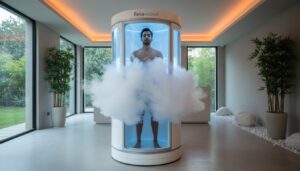
Whole-body cryotherapy involves a brief, intense exposure to extremely cold, dry air within a specialized chamber or cabin. Typically using vaporized liquid nitrogen, the temperature inside a cryo-chamber plummets to below -100°C (-148°F). A session is very short, usually lasting only 2 to 4 minutes. This method is designed to rapidly cool the surface of the skin, triggering a systemic anti-inflammatory response from the central nervous system without freezing any tissue.
What Is a Cold Plunge (Cold Water Immersion)?
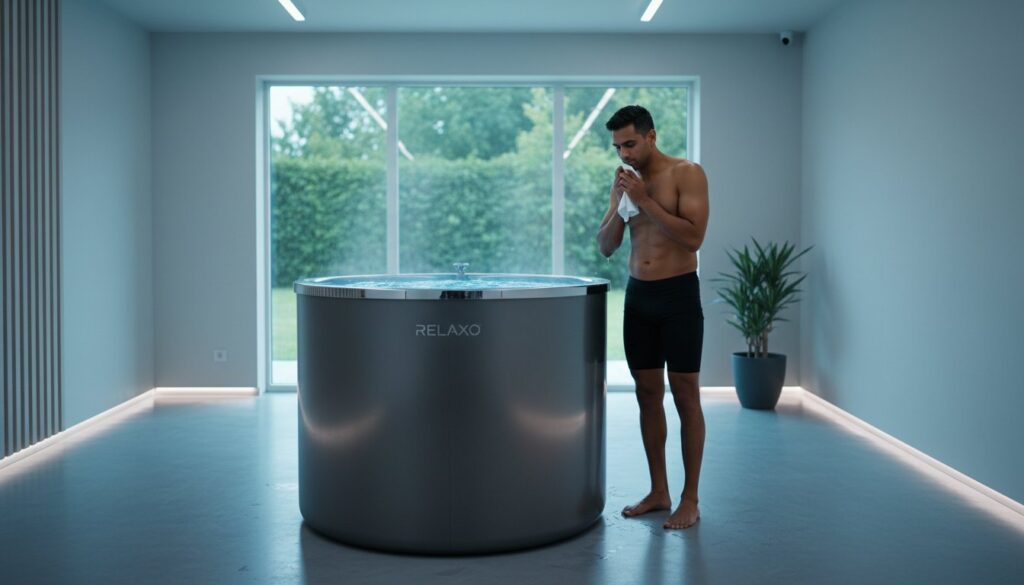
A cold plunge, or cold water immersion, involves submerging the body in ice-cold water. Unlike the dry cold of cryotherapy, water provides direct and deep-penetrating cold through a process called conduction. A typical session lasts longer, from 3 to 15 minutes, at temperatures ranging between 3°C and 15°C (38°F to 59°F). This therapy is widely accessible in wellness centers, gyms, and can be conveniently installed in a home with a dedicated cold plunge tub.
Cryotherapy vs. Cold Plunge: A Head-to-Head Comparison
To help you visualize the differences, here is a direct comparison of the key attributes of each therapy. This table provides a clear overview to help you make an informed decision based on your priorities.
| Feature | Whole-Body Cryotherapy | Cold Plunge |
|---|---|---|
| Temperature | -100°C to -140°C (-148°F to -220°F) | 3°C to 15°C (38°F to 59°F) |
| Duration | 2–4 minutes | 3–15 minutes |
| Method | Dry, cold air (convection) | Cold water immersion (conduction) |
| Cost | Per-session fee (recurring) | Per-session fee or one-time investment for home unit |
| Accessibility | Requires a specialized clinic | Available at wellness centers or at home |
Mechanism: Dry Cold vs. Wet Cold
The most significant scientific difference lies in how each therapy transfers cold to the body. Cryotherapy uses convection, where cold air circulates around you. In contrast, cold plunges use conduction, where water makes direct contact with your skin, pulling heat away far more efficiently. In fact, water is up to 25 times more thermally conductive than air. This means that even at a much higher temperature, a cold plunge provides a deeper, more sustained cooling effect that penetrates muscle tissue more effectively than the superficial cooling of cryotherapy.
Proven Benefits: Where Do They Overlap and Differ?
Both modalities are scientifically recognized for their ability to reduce inflammation and delayed onset muscle soreness (DOMS) in athletes. However, their unique mechanisms lead to slightly different outcomes. Cryotherapy is often cited for providing a powerful and immediate endorphin rush, which can elevate mood and energy levels, along with potential benefits for certain skin conditions. Cold plunges are more strongly linked to improvements in cardiovascular circulation, boosts to metabolic rate, and the development of mental resilience due to the longer exposure times.
Accessibility and Convenience: At Home vs. At a Clinic
Practicality is a major factor in choosing a long-term wellness practice. Cryotherapy requires a visit to a specialized facility, which means booking appointments, traveling, and relying on trained staff. This makes frequent or daily use inconvenient and often impractical. Cold plunges, on the other hand, are increasingly accessible. While available at spas, their greatest advantage is the option for home installation. A personal unit like the RELAXO COLD PLUNGE offers the ultimate convenience, allowing you to incorporate cold therapy into your daily routine on your own schedule.
Cost Analysis: Per-Session Fee vs. Long-Term Investment
Financially, the two therapies present different models. Cryotherapy sessions come with a recurring per-visit cost that can add up significantly over time, especially for those seeking regular treatments. A home cold plunge represents a one-time capital investment. While the upfront cost is higher, it quickly becomes the more cost-effective option for anyone committed to consistent cold therapy, eliminating per-session fees and travel expenses for years to come.
Which Cold Therapy Is Right For You?
Ultimately, the best choice depends entirely on your specific goals, budget, and lifestyle. There is no single “best” option for everyone, but by understanding your priorities, you can select the therapy that will serve you most effectively.
Choose Cryotherapy If…
- You prefer a very short, intense, and dry cold experience.
- You are primarily seeking a quick mood boost from a powerful endorphin release.
- You have convenient access to a reputable and affordable cryotherapy center for occasional use.
Choose a Cold Plunge If…
- You want deep, sustained cold for comprehensive muscle and joint recovery.
- You value the convenience of having daily access to cold therapy in your own home.
- You are looking for a long-term, cost-effective wellness tool for consistent use.
- You want to build mental resilience and discipline through longer, controlled exposure.
- You are ready to Explore the benefits of a personal cold plunge.
Frequently Asked Questions
Is cryotherapy colder than an ice bath?
Yes, the air in a cryotherapy chamber is significantly colder (below -100°C) than the water in an ice bath (around 3-15°C). However, because water is much more effective at pulling heat from the body, a cold plunge can feel just as intense and provides deeper tissue cooling.
Which is safer: cryotherapy or a cold plunge?
Both are generally safe when done correctly and under proper supervision. Cryotherapy carries risks like frostbite if not administered properly, while cold plunges require caution to avoid hypothermia. It’s crucial to follow safety guidelines and listen to your body with either method.
Can you do cryotherapy at home?
No, whole-body cryotherapy requires specialized, expensive equipment and professional supervision, making it exclusive to commercial clinics.
How often should you do cold therapy for the best results?
Consistency is key. Many users find benefits from 3-5 sessions per week. The accessibility of a home cold plunge makes it easier to maintain this frequency compared to visiting a cryotherapy center.
Does a cold plunge help with weight loss?
Some research suggests that cold exposure can boost metabolism and activate brown adipose tissue (BAT), which burns calories to generate heat. While not a primary weight-loss tool, it can be a supportive element in a healthy lifestyle.
What’s the difference between a cold plunge and an ice bath?
The terms are often used interchangeably. A “cold plunge” typically refers to a dedicated tub with controlled temperature, while an “ice bath” can be as simple as filling a regular bathtub with ice and water. Both involve cold water immersion.
While both cryotherapy and cold plunges offer compelling benefits, the deep, penetrating cold and unparalleled convenience of a personal cold plunge make it a superior long-term investment for serious wellness enthusiasts. As Asia’s No. 1 float tank and wellness equipment manufacturer, RelaxoPod is built on a foundation of international quality standards for safety and durability. We provide comprehensive support from site consultation to installation, ensuring you have a reliable partner in your wellness journey. If you are ready to unlock consistent, powerful recovery from the comfort of your home, it’s time to Discover the RELAXO COLD PLUNGE for your home or business.