In the evolving landscape of wellness and athletic recovery, cryotherapy has emerged as a powerful modality. For business owners in the spa, fitness, and clinical sectors, investing in this technology can be a significant step. However, understanding the nuances of how a cryotherapy machine works, the different types available, and the key factors to consider before purchase is crucial. This guide provides a comprehensive overview to help you make an informed and strategic investment in advanced recovery technology.
What Is a Cryotherapy Machine & How Does It Work?
In simple terms, a cryotherapy machine is a specialized device that applies extremely cold, dry air to the body’s surface for therapeutic benefits. The primary goals are to significantly reduce inflammation, alleviate pain, and accelerate the body’s natural recovery processes. The treatment is brief, typically lasting only a few minutes, but its effects can be profound.
The core principle behind cryotherapy is inducing a state of thermal shock. By exposing the skin to sub-zero temperatures, the machine triggers a powerful physiological response. Surface blood vessels constrict (vasoconstriction), redirecting blood flow away from the extremities and toward the body’s core to protect vital organs. Once the session ends and the body begins to warm up, this oxygen-rich, nutrient-dense blood flows back to the peripheral tissues, helping to flush out toxins and reduce inflammation.
The Core Technology: Liquid Nitrogen vs. Electric Systems
The method used to generate these extreme temperatures is the primary differentiator between machine types. The two main systems are liquid nitrogen and electric refrigerant.
- Liquid Nitrogen (LN2): This system uses vaporized liquid nitrogen to create ultra-low temperatures, often reaching -120°C to -160°C.
- Pros of LN2: Achieves colder temperatures faster and typically has a lower initial machine cost.
- Cons of LN2: Incurs an ongoing operational cost for nitrogen refills and requires specific ventilation and safety protocols.
- Electric/Refrigerant Systems: These machines function similarly to a high-powered freezer or air conditioning unit, using a compression cooling cycle to chill the air.
- Pros of Electric: No consumable costs (like nitrogen), generally simpler to operate, and often considered more straightforward for daily use.
- Cons of Electric: Higher upfront investment for the machine and may not reach the extreme low temperatures of LN2 systems.
Key Differences: Whole Body vs. Localized Cryotherapy
Beyond the cooling technology, cryotherapy machines are designed for two distinct application methods: whole body and localized.
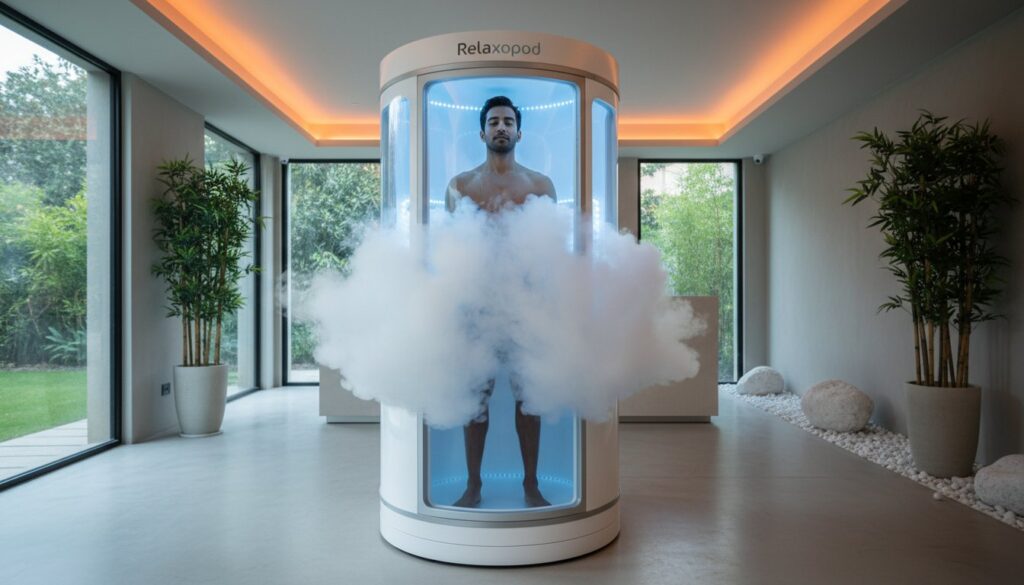
- Whole Body Cryotherapy (WBC): This method involves a chamber or “cryo sauna” that immerses the user’s entire body from the neck down in the cold air. It is designed to elicit a systemic, full-body response.
- Localized Cryotherapy: This approach uses a smaller, often handheld device that directs a focused stream of cold air onto a specific area, such as a sore knee, an inflamed shoulder, or a strained muscle.
The choice between them depends on the therapeutic goal. WBC is ideal for systemic recovery, athletic performance, and overall wellness, while localized treatment is perfectly suited for targeted pain relief and injury management.
Types of Cryotherapy Machines for Your Business
Understanding the main categories of cryotherapy equipment will help you match the right machine to your business model and clientele.
Cryotherapy Chambers & Cryo Saunas (WBC)
These are the flagship devices for whole-body cryotherapy. A cryotherapy chamber is a walk-in room, while a cryo sauna is a single-person pod where the user’s head remains outside. These units are ideal for dedicated wellness centers, high-end spas, and professional sports training facilities. When evaluating these models, key features to look for include robust safety sensors, an intuitive user interface, and efficient cooling cycles.
Localized & Mobile Cryotherapy Devices
These compact, often handheld units are designed for targeted treatments. They are highly popular in physiotherapy clinics, chiropractic offices, beauty salons, and with mobile therapists who visit clients. Their portability and focus make them a versatile tool for addressing specific pain points and injuries. Look for models with various nozzles to treat different body areas effectively.
Cryo Facial Machines & Aesthetic Equipment
A growing trend in the medical aesthetics industry, cryo facial machines are specialized units designed for non-invasive skin treatments. The focused cold application aims to tighten skin, reduce the appearance of pores, and calm inflammation. These machines offer a unique and popular service for spas and aesthetic clinics looking to expand their offerings.
A Buyer’s Checklist: 5 Factors to Consider Before Investing
Investing in a cryotherapy machine requires careful consideration beyond the initial price tag. Asking the right questions will ensure your investment is safe, profitable, and well-suited to your operational capacity.
1. Safety Certifications and Features
Client and operator safety is paramount. Ensure the machine has essential safety features like oxygen sensors (for LN2 models), emergency shut-offs, and a door that cannot be locked from the outside. Look for quality manufacturing standards and relevant certifications to guarantee the device is built for professional use.
2. Installation and Space Requirements
Carefully calculate the necessary footprint for the machine, including clearance for operation and maintenance. Understand the specific electrical, plumbing, and, most importantly, ventilation requirements for the model you are considering. Confirm with the supplier whether professional installation and comprehensive staff training are included in the purchase price.
3. Operational Costs and Return on Investment (ROI)
Calculate the total cost of ownership (TCO), which includes the initial purchase plus ongoing operational expenses. For LN2 models, factor in the recurring cost of nitrogen refills. For all models, consider electricity consumption and routine maintenance. From there, you can estimate your potential revenue per session and project a realistic break-even point to assess the investment’s financial viability.
4. Cryotherapy vs. Cold Plunge: Which is Right for You?
It’s also wise to consider other forms of cold therapy. While cryotherapy offers an intense, dry cold for very short durations, cold plunges provide a different experience. Cold plunges use chilled water for longer, immersive sessions that deliver deep, penetrating cold. For many wellness centers, cold plunges are often more accessible, require less complex infrastructure, and have a lower operational cost while still providing profound recovery benefits. If you are exploring effective cold therapy modalities, it’s worth evaluating all options. You can discover our advanced cold plunge solutions for your wellness center.
Frequently Asked Questions (FAQs)
How much does a professional cryotherapy machine cost?
Prices vary significantly by type and technology. Localized devices can range from ₹2,50,000 to ₹8,50,000. Whole Body Cryotherapy chambers are a much larger investment, with LN2 models typically ranging from ₹25 Lakhs to ₹50 Lakhs and electric models often costing between ₹40 Lakhs and ₹65 Lakhs or more.
Is a cryotherapy machine safe to operate?
Yes, when operated correctly by trained staff and according to the manufacturer’s guidelines. Modern machines are equipped with numerous safety features, and proper client screening and session monitoring are essential parts of a safe protocol.
What is the main difference between a cryotherapy chamber and a cold plunge tub?
The primary difference is the medium and duration. Cryotherapy uses extremely cold, dry air for a short session (2-3 minutes). A cold plunge uses chilled water (around 10-15°C) for a longer, immersive session (3-10 minutes). Cryotherapy is a dry cold, while a cold plunge is a wet cold, which many find more intense at a higher temperature.
How much space is needed to install a cryo chamber?
A typical cryo sauna requires a room of at least 100-150 square feet to accommodate the unit, clearance for the door, and space for the operator. LN2 models will also need a designated, well-ventilated area for the nitrogen tank.
Can you get frostbite from a cryotherapy machine?
The risk is extremely low in a professional setting with proper protocols. Clients must be completely dry, remove all metal jewelry, and wear protective gloves and footwear. Sessions are timed precisely to prevent overexposure.
What kind of maintenance do cryotherapy machines require?
Maintenance includes daily cleaning, regular checks of sensors and connections, and periodic professional servicing as recommended by the manufacturer. Electric models may require filter cleaning, while LN2 systems need regular inspection of hoses and valves.
Choosing the right recovery technology is a critical decision for any wellness business. By understanding the science, comparing the types, and carefully evaluating the operational requirements, you can confidently select a solution that aligns with your goals. For those seeking a powerful, effective, and often more practical cold therapy modality, a professional-grade cold plunge offers an exceptional alternative. Explore the RELAXO COLD PLUNGE as an effective cold therapy alternative.