In the pursuit of peak performance and rapid healing, athletes and wellness enthusiasts are constantly seeking effective recovery methods. Contrast therapy, a technique involving alternating between hot and cold water immersion, has emerged as a powerful, science-backed tool. It’s a simple yet profound method to unlock faster recovery, reduce muscle soreness, and enhance your overall well-being. This guide will walk you through the proven benefits and safe application of contrast therapy.
What Is Contrast Therapy? The Science Explained Simply
At its core, contrast therapy is the practice of systematically alternating between hot and cold water immersion to stimulate specific physiological responses. The rapid change in temperature is the key mechanism, creating a unique circulatory effect that can accelerate healing, reduce inflammation, and invigorate the body. It’s a foundational practice in sports medicine and physical therapy for its reliability and effectiveness.
The ‘Vascular Pump’ Effect on Your Body
The primary benefit of contrast therapy comes from what is known as the “vascular pump” effect. When you immerse your body in cold water, your blood vessels constrict (vasoconstriction), pushing blood away from the surface. When you switch to hot water, they rapidly expand (vasodilation). This powerful cycle of constriction and expansion creates a pumping action that dramatically improves circulation, helping to flush out metabolic waste products like lactic acid and deliver oxygen-rich blood to your muscles and tissues.
Who Can Benefit from Contrast Therapy?
The applications of contrast therapy are broad, making it a valuable practice for a wide range of individuals. The most common beneficiaries include:
- Athletes seeking faster post-exercise recovery and reduced soreness.
- Women using a 女性健身app (female fitness app) to manage soreness from regular workouts.
- Individuals with soft tissue injuries like sprains and strains.
- People managing chronic pain or inflammatory conditions such as arthritis.
- Anyone looking to boost their energy, mood, and general wellness.
Top 5 Science-Backed Contrast Therapy Benefits
The advantages of this therapy are not just anecdotal; they are supported by a growing body of research and decades of practical application in rehabilitative and athletic settings. These benefits focus on how the induced circulatory changes impact your body’s ability to recover and perform.
1. Reduces Muscle Soreness (DOMS)
One of the most celebrated benefits is the significant reduction in Delayed Onset Muscle Soreness (DOMS). The vascular pump helps efficiently flush out the lactic acid and other metabolic byproducts that accumulate during intense exercise, which are major contributors to the muscle pain felt a day or two after a workout.
2. Decreases Swelling and Inflammation
For acute injuries or post-workout inflammation, contrast therapy is exceptionally effective. The pumping action helps move excess fluid (edema) away from injured areas, reducing swelling in joints and muscles. This can alleviate pain and restore range of motion more quickly.
3. Improves Circulation
Beyond the temporary pump effect, regular contrast therapy can train your circulatory system to be more efficient. This active stimulation of blood flow ensures that your tissues consistently receive more oxygen and vital nutrients, which is fundamental for healing and overall health.
4. Enhances Mood and Alertness
The invigorating shock of cold water immersion is known to trigger a release of endorphins—the body’s natural mood elevators. Many users report feeling highly energized, focused, and mentally sharp after a session, making it a powerful tool for both physical and mental performance.
5. Supports the Immune System
Emerging research suggests that the physiological stress from contrast therapy can stimulate the immune system. Some studies have indicated that regular practice may contribute to an increase in white blood cell counts, potentially leading to a more robust and resilient immune response over time.
How to Perform Contrast Therapy Safely: A Step-by-Step Protocol
To gain the maximum benefit from contrast therapy while ensuring your safety, it’s crucial to follow a proven protocol. Consistency in temperature, timing, and repetition is key to achieving the best and most reliable results for your recovery.
Equipment Checklist: What You’ll Need
A basic home setup is simple to assemble. You will need:
- Two large containers or tubs: one for hot water and one for cold.
- A reliable thermometer to ensure safe water temperatures.
- A timer to keep your immersions precise.
- For the cold portion, you can use ice or, for superior results, a dedicated cold plunge tub that maintains a constant temperature.
The Standard 3:1 Ratio Protocol
The most widely used and effective protocol follows a simple time ratio. Follow these steps for a successful session:
- Begin by immersing the target area or your body in hot water (approximately 38-44°C or 100-111°F) for 3 to 4 minutes.
- Immediately switch to the cold water (approximately 10-15°C or 50-59°F) for exactly 1 minute.
- Repeat this entire hot-to-cold cycle 3 to 5 times.
- It is critical to always finish your final cycle on a cold immersion.
Safety First: Risks and Who Should Avoid It
While generally safe, contrast therapy is not for everyone. You should avoid this practice if you have open wounds, cardiovascular conditions, or uncontrolled high blood pressure. Individuals with diabetes should consult a doctor before trying, as nerve damage can affect temperature sensitivity. Most importantly, never use extreme temperatures that could cause skin burns or an adverse shock reaction.
Elevate Your Recovery with Professional Equipment
While a basic setup with buckets can introduce you to the benefits, leveraging professional-grade equipment offers a more controlled, convenient, and effective therapy session. Precision and consistency are what separate a good recovery session from a great one.
Why a Dedicated Cold Plunge is Superior
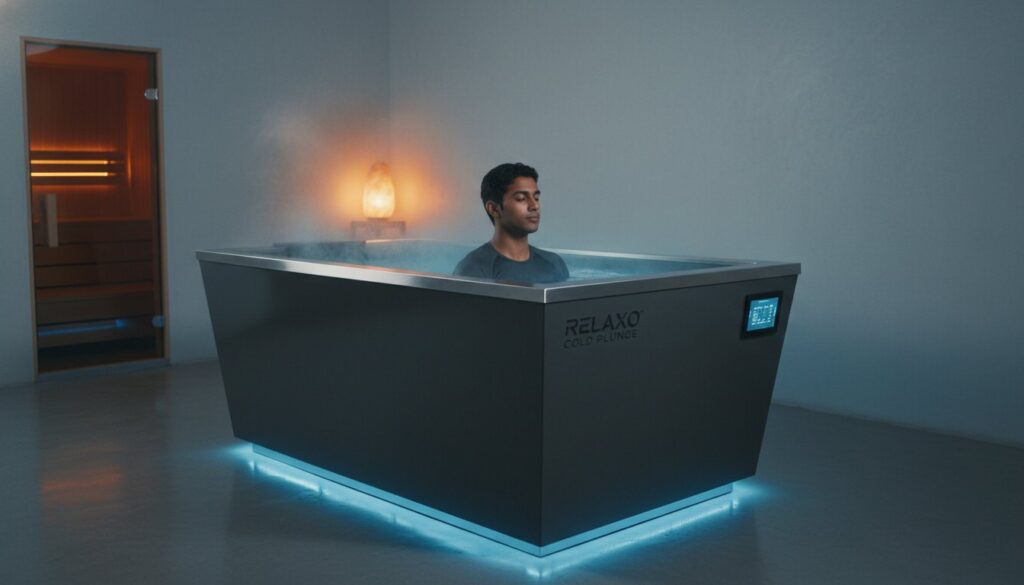
Using a purpose-built cold plunge tub elevates the experience and results significantly. A professional unit offers several advantages:
- It maintains a consistent, optimal cold temperature without the hassle of constantly adding ice.
- It provides a cleaner, more hygienic experience with integrated filtration systems.
- It turns a complicated chore into a seamless and enjoyable part of your daily wellness routine. Discover the RELAXO COLD PLUNGE for precise recovery.
Pairing with an Infrared Sauna for Ultimate Contrast
For the ultimate, full-body recovery experience, consider using an infrared sauna for the heat portion of your therapy. Unlike hot water, which only heats the skin’s surface, infrared heat penetrates deeper into muscle tissues and joints. This creates a powerful synergy with the cold plunge, offering a more profound and effective contrast session.
Frequently Asked Questions
Should you end contrast therapy with hot or cold water?
Always end with cold water. This helps to reduce any lingering inflammation and closes the blood vessels, completing the “pump” cycle and locking in the benefits of reduced swelling.
How long should a full contrast therapy session last?
A typical session, including 3-5 cycles of the 3:1 protocol, will last between 15 to 25 minutes. This is an efficient and effective duration for most recovery goals.
How often can I do contrast therapy?
For general recovery, 2-3 times per week is effective. After particularly intense training or an acute injury, you can practice it daily for a short period to manage soreness and swelling.
Is contrast therapy effective for chronic pain like arthritis?
Yes, many people with arthritis find relief with contrast therapy. The increased circulation can help reduce joint stiffness and pain. However, it’s essential to consult with your doctor first.
Can I do contrast therapy for my whole body?
Absolutely. Full-body immersion using a hot tub or sauna and a cold plunge tub is a popular method among athletes for systemic recovery and overall wellness benefits.
Ready to integrate the power of contrast therapy into your life? By understanding the science and applying the correct protocols, you can significantly enhance your body’s natural ability to heal and perform. For those serious about optimizing their well-being, investing in professional-grade tools ensures you get the most out of every session. Explore our advanced wellness equipment to perfect your recovery routine.